If you’ve ever hauled 50-pound bags of fish feed to a local aquaculture pond, or unloaded pallets of shrimp feed at a hatchery, you’ve probably noticed those tough, multi-layered composite bags holding the pellets tightly together. As a supplier of aquatic feed composite bags for over a decade, I’ve watched hundreds of aquaculture operators waste thousands of dollars on feed that spoiled before it could be used—all because of a cheap, poorly made bag that let in moisture, UV rays, or pests. That’s why our production process isn’t just “making bags”—it’s built around protecting the feed that feeds farmed fish, shrimp, and even shellfish, which rely on consistent, nutrient-dense feed to grow without disease. Let me walk you through exactly what goes into every aquatic feed composite bag we ship, so you understand why a “one-size-fits-all” bag will never work for aquaculture. Aquatic Feed Composite Bags
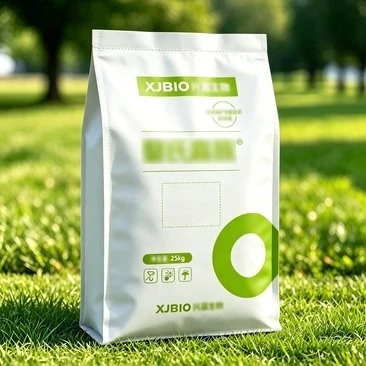
First, we start with the most critical step: material selection, tailored specifically to aquatic feed’s unique challenges. Unlike livestock feed, which might sit in a barn’s dry storage, aquatic feed has two major enemies: moisture and oxidation. Even a 1% moisture leak into a bag of pelleted feed can trigger mold growth within two weeks, and oxidized feed loses the omega-3 fatty acids and protein that farmed shrimp and tilapia need to avoid stress-related illnesses. That’s why we don’t use single-layer plastic bags—we build every bag as a composite, meaning three to five distinct layers, each with a job to do. The core layers are always food-grade polyethylene (PE) or polypropylene (PP), but we layer them with specialized barriers. For example, for freshwater aquaculture (where humidity is often higher, and pond storage might be in a covered but damp shed), we add a thin aluminum foil layer to block moisture and oxygen. For outdoor shrimp farms in tropical coastal regions, where UV rays from the sun can break down plastic within a few months, we mix UV stabilizers into the outer PE layer to extend the bag’s life. We also test every batch of material before it even hits the production line: our lab team checks for food safety compliance (no toxic leachates that could contaminate feed), tensile strength (so the bag doesn’t tear when being loaded onto a pallet), and moisture vapor transmission rate (MVTR), a measurement that tells us how much water vapor can pass through the bag. The MVTR for our aquatic feed bags is under 0.5 g/m² per 24 hours—way lower than the 2 g/m² minimum recommended by aquaculture feed industry standards. I once had a client who switched from a local bag supplier because their bags had a 1.8 g/m² MVTR; after three weeks of storage, 15% of their feed was moldy. That’s the kind of avoidable loss we’re here to prevent.
Next, after material approval, we move to the extrusion and lamination phase, where we fuse all those layers together into a single, flexible sheet that will become the bag. This isn’t just melting plastic and sticking it—we use a process called co-extrusion, which lets us melt each layer’s resin separately before combining them in a single die, so each layer’s properties stay intact. For example, the inner layer, which touches the feed, has a low melting point so it seals tightly around the pellets without leaving gaps, while the middle aluminum layer melts at a higher temperature to maintain its barrier properties. We also use a water-based adhesive instead of solvent-based adhesives here, because solvent-based ones can leave chemical residues that are bad for food and can seep into the feed over time. The lamination line runs at a controlled speed of 80 meters per minute, which is fast enough for efficiency but slow enough to ensure the layers bond evenly—no delamination, which is a common flaw in cheap bags. I’ve seen bags split open mid-transport because the layers separated, spilling feed onto a warehouse floor. That’s not just a waste of feed; it’s a safety hazard for farm workers who slip on spilled pellets, and it attracts rodents that can carry diseases to aquaculture ponds. We test every roll of laminated sheet for delamination by pulling a small strip at a 180-degree angle; if more than 5% of the layers separate, we reject the roll entirely. This extra step might add 2% to our production time, but it means our clients never have to deal with that messy, costly problem.
Once we have the laminated sheet, we move to the printing and surface treatment phase, which might seem like just branding, but it’s actually important for aquaculture clients. First, we treat the outer PE layer with corona discharge to make sure the ink sticks—we don’t want logos, feed expiration dates, or storage instructions peeling off before the client even uses the bag. For most of our aquatic feed bags, we use flexographic printing, which is durable and uses water-based inks, no harsh solvents that could leach into feed. We print all necessary information: feed type (tilapia, shrimp, catfish), weight (25 kg, 50 kg, custom sizes), batch number, and storage guidelines (Store in a cool, dry place, away from direct sunlight). For large clients who run multiple feed lines, we even add QR codes to the bags that link to their feed’s nutrient analysis reports, so their hatchery managers can quickly verify the feed’s quality without digging through paper documents. We also use fade-resistant inks for coastal clients, where salt spray and high humidity can cause regular ink to smudge and fade within a month. I once had a shrimp farm client in Ecuador tell us their old bags’ logos had faded so much that their warehouse team couldn’t tell shrimp feed from tilapia feed, leading to a costly mix-up in feeding schedules. That’s the kind of small detail we never overlook.
After printing, the sheet goes to the bag converting line, where we cut it into the correct size, form it into a tube, seal the bottom, and add any necessary features. For aquatic feed, we always use valve bottom bags, not open-top bags—here’s why: a valve bottom lets clients fill the bag quickly through a small opening, and when they’re done, they tie or zip close the valve without spilling any feed, which is critical for small-scale pond operations that might not have industrial filling machinery. We also add tear notches on both sides of every bag, so workers can open them easily without using a knife, which prevents accidental cuts and makes it faster to access feed during feeding times. For clients who need to stack pallets up to 10 high, we add extra gussets to the sides of the bag, so the shape stays uniform when stacked—no bulging bags that collapse under the weight of the pallet above. We use heat sealing for all seams, not stitching, because stitching creates tiny holes that let in moisture and pests. The heat sealing process is calibrated to 180 degrees Celsius, with a pressure of 150 psi, which creates a seamless, airtight seam that won’t split even when a full bag is dropped from a 1-meter height during loading. We test every 500th bag from the converting line with a drop test: we drop it from 1.5 meters (the average height of a warehouse pallet) three times, and if any seam opens or the bag tears, we adjust the heat settings immediately. This quality control step saved us from a big problem a few years ago when a shift change led to a 10-degree drop in seal temperature—we caught it during a random drop test and fixed it before we sent out a truckload of bags that would have failed in transit.
The final step before shipping is a full quality inspection and batch testing. We pull 10 bags from every production batch, weigh them to ensure they meet the exact weight of feed they’re supposed to hold, check for any printing errors, test the seal’s airtightness by inflating the bag and submerging it in water (if any bubbles come out, the seal is bad), and send a sample of laminated sheet to a third-party lab to verify MVTR and food safety. We also track every batch with a serial number, so if a client ever has a problem with a bag, we can trace it back to the exact materials, production line, and date it was made. This traceability is crucial for aquaculture, where a single feed spoilage incident can shut down a pond for weeks. Last year, a client in Vietnam reported that a small number of their bags had spoiled feed; we used the serial number to trace the batch, found a single defective roll of laminated sheet from a minor equipment glitch, and replaced all the unused bags for free, no questions asked. That’s the kind of reliability we pride ourselves on.
I know there are cheaper bag suppliers out there that skip the material testing, use solvent-based adhesives, and cut corners on seal strength to undercut our prices. But for aquaculture operators, cutting costs on feed bags is a false economy. A $0.10 cheaper bag might save you a few dollars upfront, but if it leads to moldy feed, damaged crops, or lost pond time, it’s a mistake that can cost thousands of dollars. Our process is built around the unique needs of aquatic feed, because we don’t just make bags—we understand that the bags we produce are a critical part of a farmer’s operation.
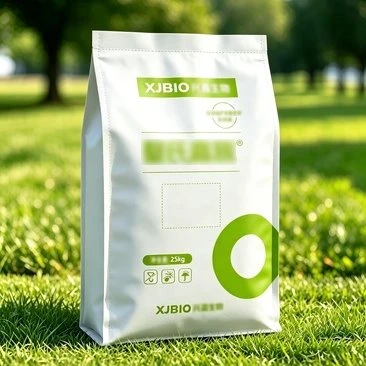
If you’re an aquaculture feed manufacturer, hatchery, or large-scale pond operator looking for durable, feed-safe composite bags tailored to your specific needs, we’re here to work with you. We can custom-make bags in any size, add your branding and necessary information, and adjust materials based on your climate and feed type. Don’t let a bad bag ruin your next harvest—reach out to discuss your production needs and get a quote tailored to your operation.
Livestock Feed Bags References
- Aquaculture Feed Association. (2022). Recommended Standards for Feed Packaging Materials. Global Aquaculture Journal.
- International Food Packaging Association. (2021). Food-Safe Composite Materials for Aquatic Products. Journal of Packaging Science.
- Coastal Aquaculture Operations Guide. (2020). UV Stabilization and Moisture Barriers for Feed Bags. World Aquaculture Society.
Zhejiang Xifeng Packaging Co., Ltd.
We are one of the most experienced aquatic feed composite bags manufacturers and suppliers in China. With a professional production team, we offer a wide range of products with superior quality. Please feel free to buy bulk aquatic feed composite bags at competitive price from our factory. We also accept customized orders.
Address: Xiaojiang Town, Pingyang County, Wenzhou City, Zhejiang Province, China
E-mail: zjxifeng@126.com
WebSite: https://www.xifengpackaging.com/
