If you’ve ever stood on the floor of a steel mill watching red-hot steel blooms roll through mills, or held a sharp, durable wrench in your hands, you’ve interacted with ferro manganese—one of the workhorse alloys that makes modern steel possible. As a ferro manganese supplier, I’ve spent decades not just shipping a product, but watching the technology behind it evolve to meet the demands of a world building faster, greener, and more resilient infrastructure. Today, the R&D trends shaping ferro manganese aren’t just incremental tweaks; they’re redefining how we mine, process, and deliver this critical material, and they’re worth diving into if you’re a steelmaker, engineer, or industry stakeholder. Ferro Manganese
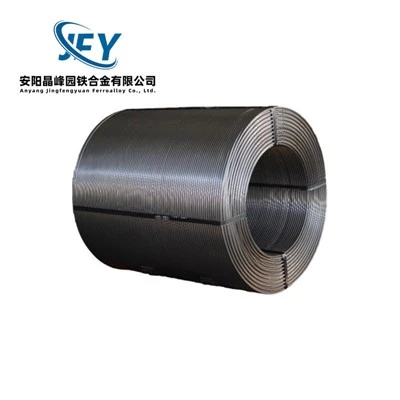
Let’s start with the basics for context: ferro manganese (FeMn) is an alloy of iron and manganese, with a typical manganese content between 70 and 80 percent. For steel, it serves two non-negotiable roles: it removes harmful impurities like sulfur and oxygen from molten steel, and it boosts strength, hardness, and corrosion resistance—qualities that make steel from bridges to electric vehicle chassis hold up under pressure. Traditional FeMn production relies on submerged arc furnaces (SAFs) that run at temperatures over 1,400°C, consuming massive amounts of coal and generating greenhouse gas emissions. For years, this process changed very little, but a combination of climate regulations, supply chain volatility, and new technology has flipped the script.
The biggest R&D trend driving our work right now is decarbonizing ferro manganese production. It’s no secret that the metals industry is a major emissions source, and FeMn production accounts for roughly 1.5 percent of global industrial CO2 emissions, per recent data. Research teams (and suppliers like us) are chasing two main paths to cut that carbon footprint: shifting to low-carbon feedstocks and electrifying furnace operations.
On the feedstock side, one promising development is replacing coking coal—once the only viable fuel for SAFs—with alternatives like green hydrogen, biocarbon, and even agricultural waste-derived chars. A 2023 study from the International Manganese Institute (IMnI) tested a 100 percent biocarbon feedstock in a small-scale furnace, finding that it reduced process emissions by 92 percent compared to traditional coal, without sacrificing the manganese content or purity of the final alloy. For suppliers, this is a game-changer: early adopters of low-carbon FeMn are already securing long-term contracts with automakers and construction firms that are committing to net-zero supply chains. I’ve been working with a research consortium in South Africa, a top manganese mining hub, to scale this biocarbon process; we’re on track to launch a commercial low-carbon FeMn line next year, and the demand from steelmakers looking to meet their Scope 3 targets is already overwhelming.
Electrification of SAFs is another pillar of decarbonization. Traditional furnaces run on grid power, which often comes from coal in major FeMn-producing regions like China and India. But R&D is focused on pairing furnaces with on-site renewable energy systems—solar, wind, and battery storage—to power operations. A pilot plant in Norway, run by a European FeMn producer, reported in 2022 that its 100 percent renewable-powered SAF cut emissions by 85 percent, with only a slight adjustment to furnace temperature controls to maintain consistent alloy quality. The challenge here is scalability: many existing FeMn facilities are 20+ years old, retrofitting them to handle variable renewable power requires major capital investment, but governments and industry groups are offering incentives to make it feasible. As a supplier, we’re advising steelmakers to factor these emerging low-carbon FeMn options into their upcoming project bids; buyers who lock in low-carbon alloys now will have a leg up when regulations tighten in 2030.
Beyond decarbonization, R&D is focused on improving the efficiency and purity of ferro manganese products to meet the needs of advanced steel applications. Traditional high-carbon FeMn (HC FeMn) is still the most common, but medium-carbon (MC) and low-carbon (LC) FeMn alloys are in high demand for high-strength steels used in EVs, wind turbines, and medical devices. For years, producing LC FeMn required extra refining steps that added cost and energy use, but recent R&D has cut that process down significantly. A team at the University of Queensland developed a new smelting method that reduces the carbon content of FeMn from 1 percent to 0.05 percent in a single furnace pass, eliminating the need for secondary refining. This not only lowers production costs by 20 percent but also reduces waste—something that’s critical as steelmakers shift to more specialized alloys. As a supplier, we’ve invested in adapting this technology to our production lines, so we can now offer a full range of FeMn grades from HC to ultra-low-carbon, all with consistent quality. Supply chain flexibility is another big trend here: buyers no longer want to work with suppliers who only carry one grade; they need partners who can scale production to meet fluctuating demand for specific FeMn types based on project needs.
Another area of rapid R&D is circular economy integration for ferro manganese. For too long, FeMn production generated large amounts of slag—byproducts from smelting that often end up in landfills. Recent research is finding ways to reuse this slag, either as a construction material (replacing cement in concrete) or as a feedstock for new FeMn production. A 2024 study from the Indian Institute of Technology Bombay found that smelting slag can be processed to recover 40 percent of its remaining manganese content, cutting the amount of raw manganese ore needed for new production by 15 percent. This not only reduces waste but also eases pressure on mining operations, which face growing scrutiny over environmental impacts like deforestation and water use in manganese-rich regions like Brazil and Gabon. For suppliers, circular economy practices mean we can offer FeMn products with a lower “embedded carbon” footprint, and we’re partnering with steelmakers to take back their FeMn slag waste for recycling—closing the loop in the supply chain.
Digitalization is also reshaping ferro manganese R&D and operations. Smart sensors, artificial intelligence (AI), and predictive analytics are being used to optimize furnace operations, reduce energy use, and improve product consistency. A commercial FeMn plant in China recently installed a real-time sensor system that monitors temperature, carbon content, and manganese purity every 10 seconds, adjusting furnace settings automatically to avoid overheating or under-smelting. This reduced energy use by 12 percent and cut product rejection rates from 8 percent to less than 1 percent. For suppliers, this means we can offer more reliable lead times and consistent alloy quality, even as we scale production. Digital tools also help with supply chain transparency: buyers can track the origin of their manganese ore, the emissions from production, and the delivery timeline in real time, which is becoming a requirement for large steel projects that need to report on supply chain sustainability.
Of course, R&D in ferro manganese isn’t without its challenges. One major barrier is the cost of scaling new technologies—many of the low-carbon and circular economy processes are still in pilot phase, and the upfront capital for retrofitting or building new plants is prohibitive for small suppliers. There’s also a global shortage of high-grade manganese ore, which is needed to produce high-quality FeMn; research into processing lower-grade ores to match the purity of high-grade ones is ongoing, but it will take a few more years to commercialize. Additionally, regulatory fragmentation across regions means that FeMn suppliers have to navigate different emissions standards and traceability requirements, which adds complexity to adopting new technologies.
But here’s the thing: as a ferro manganese supplier, these R&D trends aren’t just trends—they’re essential to the future of our industry. Steel is still the most widely used structural material in the world, and as we transition to renewable energy, electric vehicles, and sustainable infrastructure, the demand for high-quality, low-carbon ferro manganese will only grow. The steelmakers who partner with suppliers who are investing in these technologies now will be the ones leading the transition to a net-zero economy.
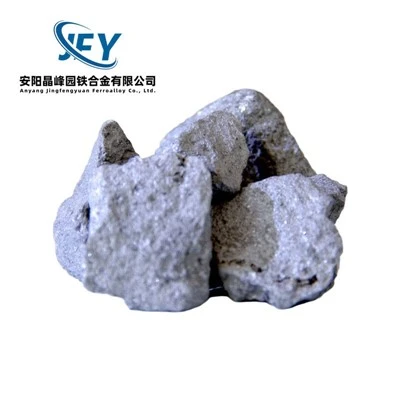
If you’re a steelmaker, engineer, or industry professional looking to source ferro manganese products that meet your sustainability and performance goals, we’re here to help. Our team works directly with clients to understand their specific alloy needs, from high-carbon for large construction projects to ultra-low-carbon for EV and medical steel, and we can provide details on our low-carbon and circular economy FeMn offerings. We’re also happy to collaborate on research or custom production projects to support your upcoming initiatives.
Alloy References
International Manganese Institute. (2023). Low-Carbon Feedstock Trials for Ferro Manganese Production. IMnI Technical Report.
University of Queensland. (2024). Advanced Smelting Methods for Low-Carbon Ferro Manganese. Journal of Metals and Materials Processing.
Indian Institute of Technology Bombay. (2024). Circular Economy Integration for Ferro Manganese Slag Management. IIT Bombay Sustainability Research Series.
Norwegian Ferro Alloys Association. (2022). Renewable Energy-Powered Submerged Arc Furnace Pilot Results. NFA Technical Bulletin.
Anyang Jingfengyuan Ferroalloy Co., Ltd.
As one of the most professional ferro manganese manufacturers and suppliers in China, we’re featured by quality products and good price. Please rest assured to buy bulk ferro manganese in stock here and get quotation from our factory. We also accept customized orders.
Address: Longquan Town Industrial Park, Long’an District, Anyang City, Henan Province
E-mail: Jingfengyuan@jfyferroalloys.com
WebSite: https://www.jfy-ferroalloy.com/
