If you’ve spent any time researching yurt-style tents, you know they’re not your average weekend camping tent. Yurts blend the coziness of a small home with the portability of a temporary structure, making them perfect for everything from glamping sites and backcountry retreats to backyard guest quarters and event pop-ups. But here’s the thing: a yurt’s performance lives and dies by its fabric. As a tent fabric supplier who’s worked with yurt builders, glamping operators, and small-scale landowners for over a decade, I’ve seen firsthand how picking the wrong fabric can turn a once-intended three-season yurt into a leaky, too-hot structure that’s unlivable by mid-summer. The best yurt fabric isn’t just the thickest or most expensive option—it’s one that balances durability, weather resistance, breathability, weight, and cost, all tailored to how you plan to use your yurt. Let’s break down the key options, what makes each work (or fall short) for yurt living, and how to choose the right one for your needs. Tent Fabric
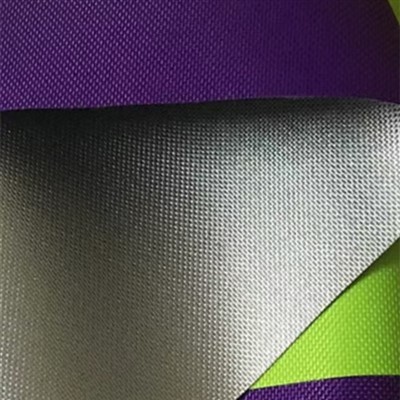
First, it’s important to remember that yurts aren’t just a single fabric layer like a standard dome tent. A traditional yurt has two main fabric components: the outer shell (the part that faces the elements, shielding the inside) and sometimes an inner liner (for insulation, privacy, and temperature regulation). The outer shell is the workhorse, so that’s where we’ll focus most of our attention. Yurts also need fabric that can handle their unique structure—most yurts have a curved, circular roof, often with a central vent (called a “toon”) and side walls that taper down to a rigid frame. That means fabric needs to stretch slightly to conform to the curved shape, resist tearing where it’s stretched over frame poles, and hold up to constant tension (wind can be a huge force on a yurt shell, so loose fabric will flap, stretch, and wear out much faster).
Let’s start with the most popular choice for yurt outer shells today: polyester. Polyester is a synthetic fabric that’s been a staple in outdoor gear for decades, and for good reason. For the average three-season yurt (the kind used in spring, summer, and fall, not extreme winter conditions), 100% polyester outer shells are hard to beat. Most yurt builders use a 150 to 210 denier polyester fabric, coated with a polyurethane (PU) or acrylic layer for water resistance—this is the part that repels rain, dew, and even light snow. What makes polyester ideal for yurts is its combination of strength and flexibility. Polyester has a high tensile strength, meaning it resists tearing when pulled tight over a curved yurt frame, and it doesn’t stretch out permanently over time (unlike nylon, which we’ll get to next). It’s also fade-resistant, so after a year of being exposed to sun, it won’t turn brittle or discolored, which is a big deal if your yurt stays up year-round. Another plus? Polyester is relatively affordable, especially compared to technical fabrics like canvas. For a glamping operator running 5 to 10 yurts, that cost savings adds up fast, and replacing a polyester shell every 5 to 7 years is a manageable expense. That said, polyester does have a downside: it’s not as breathable as natural fabrics. If your yurt doesn’t have proper ventilation (that central toon and screened side walls), a polyester shell can trap condensation inside—morning dew dripping from the roof, damp walls, and even mold if you’re in a humid climate. It’s also not the best choice for year-round winter use; it doesn’t hold much insulating warmth, and thin polyester can develop tears under heavy snow loads.
Next up: nylon. Nylon is another synthetic option, lighter and more flexible than polyester, but it’s less common for yurt shells for a reason. Nylon has a higher elasticity, which means it can stretch more than polyester—great for backpacking tents, but bad for yurts. Over time, the constant tension from wind and the curved frame will cause nylon to stretch permanently, leading to a loose, baggy shell that flaps in the wind, wears out faster, and doesn’t block water as well (loose fabric gaps make it easier for rain to seep in). That said, there’s a niche use case for nylon: if you’re building a temporary, short-term yurt (like a seasonal event structure you take down after each use), a lightweight 70 to 100 denier nylon shell works. It’s cheap, easy to handle, and light if you’re moving your yurt multiple times a year. But for a permanent or semi-permanent yurt that stays up for more than a season, nylon isn’t worth the trade-off. The only exception is high-tenacity nylon, a reinforced version that’s stronger and less prone to stretching—but that’s often pricier than the same weight polyester, making it not much of a value.
Then there’s canvas, the classic choice for yurts that harkens back to traditional nomadic yurts used in Central Asia. Canvas is a natural cotton or cotton-blend fabric, most commonly a 10 to 14 ounce per square yard (oz/yd²) canvas for yurts. For serious glamping sites or year-round residential yurts, a heavy canvas shell is unbeatable when it’s properly treated. The biggest benefit of canvas is its breathability: it allows air and moisture to escape, so condensation is way less of a problem than with synthetic fabrics. That means your yurt stays drier in humid conditions, and you can skip a separate inner liner if you want. Canvas also has natural insulating properties—it’s thicker than polyester, so it holds warmth in winter and blocks heat in summer, making it a four-season option. It’s also super durable; a well-treated canvas shell can last 10 to 15 years, sometimes longer if it’s cared for. But canvas comes with big downsides. First, it’s heavy: a full canvas yurt shell can weigh 2 to 3 times more than a polyester one, which makes transporting and installing it a lot more work (you’ll need a team to put it up, not just one or two people). Second, it’s more expensive—sometimes 2 to 3 times the cost of a comparable polyester shell. It also needs regular maintenance: you have to re-waterproof it every 1 to 2 years, clean it to prevent mold and mildew, and it will shrink if it gets wet and then dries improperly, leading to a tight, potentially damaged shell. If you’re using your yurt in a dry, low-humidity climate and planning to keep it up year-round, canvas is a great choice—but for most people, the maintenance and cost are too much.
For anyone looking for a middle ground between polyester and canvas, there’s poly-cotton blend. As the name suggests, this is a mix of polyester and cotton, usually 50/50 or 65/35. Poly-cotton combines the best of both worlds: it’s more breathable than 100% polyester (closer to canvas, without the heavy weight and high maintenance) and more durable than pure cotton (less prone to shrinking, fading, and tearing from sun exposure). Most yurt suppliers offer poly-cotton in 8 to 12 oz/yd², which is lightweight enough for easy installation but thick enough for three-season use. It’s also more affordable than pure canvas, though a bit pricier than basic polyester. We’ve seen a lot of glamping operators switch to poly-cotton over the last five years because it solves the condensation problem that plagues polyester, without the hassle of maintaining canvas. It’s also a great option for backcountry yurts that stay up for a few seasons but aren’t permanent—breathable enough for summer, durable enough for light winter snow, and easier to move around than heavy canvas. The only downside is that it’s not as insulating as pure canvas, so if you’re using your yurt in very cold climates (below 20°F/-7°C), you’ll still need a separate inner liner or insulation layer to stay warm.
Wait, we also can’t forget about specialized technical fabrics, like the ones used in high-end winter yurts. For anyone building a yurt for extreme cold (think mountain backcountry or high-altitude retreats), there are laminated fabrics—usually a combination of polyester, a waterproof membrane (like Gore-Tex or similar), and a breathable outer layer. These fabrics are ultra-waterproof, windproof, and still breathable, making them ideal for four-season yurts. The catch? They’re extremely expensive, often 3 to 4 times the cost of basic polyester, and they’re heavier than standard fabrics. They’re mostly used for commercial ski resorts or backcountry operators, not the average homeowner or small glamping site. For most people, they’re overkill, but it’s good to know they exist if you’re planning for extreme conditions.
Now, let’s talk about what to look for beyond the fabric type. Even if you pick the right fabric for your yurt’s use, there are a few specs that will make a big difference in performance. First, denier count: for outer shells, aim for at least 150 denier for polyester, and 10 oz/yd² minimum for poly-cotton or canvas. Anything thinner will tear easily from wind or sharp branches. Water resistance is key—look for a fabric with a waterproof rating of at least 1,500 mm for three-season use, and 3,000 mm or higher for areas with heavy rain or snow. That rating measures how much water the fabric can hold before it starts leaking, so higher is better. UV resistance is also non-negotiable if your yurt is going to stay up year-round; UV rays break down synthetic and natural fabrics over time, leading to brittleness and fading. Most quality fabrics will have a UV treatment built in, so skip the cheap options that don’t list that.
Another thing to consider: liner compatibility. If you’re planning to use an inner liner (which is common for insulation, privacy, or adding small windows), make sure your outer shell works with it. Polyester shells pair well with thin, lightweight liners, while canvas yurts can handle thicker, more insulating liners. We often work with builders to help them match the right fabric and liner, because a liner that’s too thick can block the breathability of a canvas or poly-cotton shell, leading to condensation.
At the end of the day, there’s no one “best” fabric for all yurts—it all comes down to how you’re using your yurt. If you’re running a glamping site with 5 yurts in a moderate climate, where you take them down in winter and put them back up in spring, a 150 denier polyester shell is the most cost-effective, low-maintenance choice. If you’re building a permanent residential yurt in a humid climate, where you want year-round use, go with a 50/50 poly-cotton blend for breathability and durability. If you’re in a cold, dry climate and planning to keep your yurt up for 10+ years, invest in a heavy canvas shell. If you need a yurt for extreme winter or high-altitude use, a laminated technical fabric is the way to go—just be prepared for the cost.
As a tent fabric supplier, I’ve seen too many people cut corners on fabric and end up replacing their yurt shell within a few years, which costs far more upfront than choosing the right fabric the first time. It’s not just about picking a material; it’s about picking one that fits your lifestyle, climate, and budget. Whether you’re a first-time yurt owner looking for your backyard retreat, a glamping operator expanding your site, or a builder constructing custom yurts for clients, we can help you navigate your options, compare specs, and pick a fabric that will make your yurt work for you for years to come. If you’re ready to discuss your needs and get a custom quote for yurt fabrics, don’t hesitate to reach out for a conversation.
Poncho Fabric References
- OutDoor Industry Association. (2022). Outdoor Fabric Performance Standards: Water Resistance, Tensile Strength, and Breathability.
- International Glamping Association. (2021). Yurt Structure and Material Selection Guide for Commercial Operators.
- Textile Institute. (2020). Natural vs. Synthetic Outdoor Fabrics: Durability and Maintenance Comparison.
- North American Yurt Builders Association. (2022). Four-Season Yurt Construction Best Practices.
Wujiang Jiashunxin Spray Weaving Co., Ltd.
As one of the most professional tent fabric manufacturers and suppliers in China, we’re featured by quality products and good service. We warmly welcome you to wholesale bulk customized tent fabric from our factory. If you have any enquiry about free sample, please feel free to email us.
Address: Xingli New Village, Lili Town, Wujiang District, Suzhou City, Jiangsu Province
E-mail: xuzhiqiang20260525@163.com
WebSite: https://www.shunbangfabric.com/
