If you’ve ever stood in a metal fabrication shop and watched someone struggle to slice through stainless steel tubing, chances are at least one person has asked that exact question: can a stainless cut off wheel cut through stainless steel tubing? As a supplier who’s been hand-delivering these wheels to fabricators, welders, and hobbyists for over a decade, I can tell you the answer isn’t a simple yes or no—it’s way messier, and way more interesting, than that. Let’s break this down like we’re geeking out over shop talk after a long day, no stuffy engineering jargon required. Stainless Cut Off Wheel
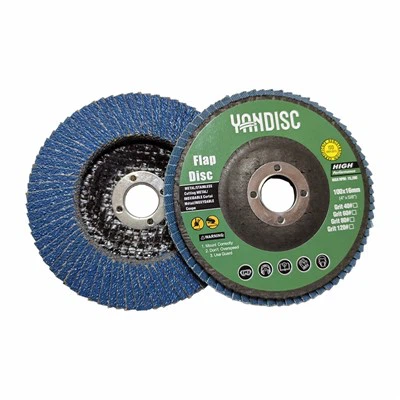
First off, let’s get the basics straight. What even is a stainless cut off wheel, anyway? It’s a thin, reinforced abrasive disc made from grit (usually aluminum oxide or silicon carbide), bonding agents, and sometimes a few additives to keep it from breaking mid-cut. It’s designed to attach to angle grinders, chop saws, or even some handheld cut-off tools—those sharp, spinny discs we all rely on for quick, clean cuts. Now, stainless steel tubing? That’s not your everyday steel. It’s got chromium mixed in (at least 10.5%, for the science nerds) to make it stain-resistant, which also makes it way harder to cut than regular mild steel. So the fight here is the wheel’s grit against the stainless’ tough, chromium-rich surface.
Let me tell you a story that sums this up. A few years back, a regular customer—Mike, who runs a small custom railings business—called me panicking. He’d grabbed a generic cut off wheel from the hardware store down the street, thought “a wheel’s a wheel,” and tried to slice 10 3-inch diameter 304 stainless steel tubes. Two seconds in, the wheel shattered. Shrapnel pinged off his grinder, nicked his arm, and he ended up using a hacksaw for 8 hours straight, missing a deadline. “I didn’t realize I was using the wrong wheel for the wrong metal,” he told me later. That’s the big mistake a lot of people make: they grab any cut off wheel, not one specifically made for stainless steel.
So, can it work? Absolutely—if you get the right wheel, and you use it right. But if you skip the specifics? You’re setting yourself up for a bad time. Let’s get into why the right wheel matters here. Generic cut off wheels are built for mild steel, which is softer and easier to slice. Their grit is coarser, and the bond is softer to grind through that soft metal. But stainless steel is way harder (around 200-250 Brinell hardness, vs mild steel’s 120-150), and it’s also “gummy”—the chromium adds a sticky residue that can clog a wheel’s pores, making it dull way faster. That’s why a stainless-specific wheel is built differently: finer grit (so it bites without clogging), a harder bond (to stay sharp against hard metal), and sometimes even zirconia alumina grit, which is way more heat-resistant. Heat is another enemy here—if you let the cut get too hot, stainless steel can warp, or even worse, ruin the chromium layer, making it prone to rust later. A good stainless cut off wheel dissipates heat way better than a generic one, so you get a clean cut without ruining the tube.
But even the best wheel won’t save you if you’re using the wrong tool or technique. Let’s go back to Mike’s second try. The next week, he came to pick up our stainless cut off wheels, and I walked him through how to use ’em right. First, he needed a grinder with the right speed—too fast, and the wheel burns out; too slow, and it drags and clogs. We recommended a 4.5-inch grinder running at 6,000 RPM, which is the sweet spot for cutting stainless tubes. Then, technique: don’t push too hard. A lot of guys think “more pressure = faster cut,” but that’s a surefire way to make the wheel heat up, clog, or break. Instead, light, steady pressure, letting the wheel do the work. He also had to clamp the tube down tight—no wiggling, no shifting—because a moving tube would make the wheel veer, bind, or crack. That time he used our wheel? He cut all 10 tubes in 45 minutes, no mess, no broken wheels. That’s the difference.
Wait, but what about thinner vs thicker stainless tubing? A lot of folks ask that too. If you’ve got a thin 16-gauge stainless tube, you can get away with a standard stainless cut off wheel, no problem. But thicker tubes—like ¼-inch wall or more? You need a heavy-duty stainless cut off wheel, reinforced with fiberglass meshes to handle the extra pressure and keep from breaking. I’ve seen guys try to cut a ½-inch thick 316 stainless tube with a cheap thin wheel, and the wheel just bends like a cheap plastic toy before it even makes it halfway through. Thicker tubing needs a sturdier disc, no exceptions.
Now, let’s bust some myths here, because I hear these all the time. First myth: “You can cut stainless steel tubing with a regular cut off wheel if you just go slow.” Yeah, maybe once. But you’ll ruin the wheel, it’ll take forever, and you’ll get a rough, heat-burnt cut that’s a pain to sand smooth. Plus, you’re way more likely to have the wheel shatter—those shards are no joke, I’ve seen a piece go through a shop fan from 10 feet away. Second myth: “All stainless cut off wheels are the same.” Nope. Some are made for thin sheet metal, some for thick tubes, some even for stainless steel vs aluminum. Using a wheel meant for sheet metal on a thick tube? You’re gonna have a bad time. Third myth: “Cheap wheels work just as well as expensive ones.” I’ve had customers buy cheap wheels from a big box store, use ’em once, and come back complaining that they don’t cut stainless. I tell ’em: you get what you pay for. A $5 stainless cut off wheel is gonna have better grit, better bonding, and last way longer than a $2 generic one, so you actually save money in the long run.
Let’s also talk about safety, because this is stuff I can’t skip as a supplier. When you’re cutting stainless tubing with a stainless cut off wheel, you gotta wear the right gear. Safety glasses? Not just any—wrap-around ones, so no sparks get in. Face shield if you’re doing a bunch of cuts. Gloves, steel-toe boots, a long-sleeve shirt. And never, ever use a wheel that’s cracked, warped, or looks like it’s been used too much. I’ve seen a guy use a wheel with a tiny crack in it, and it exploded right in his hand. Not pretty. Also, make sure your grinder’s guard is on—those wheels spin at like 100 mph, and if something goes wrong, the guard is your first line of defense.
What if you don’t have an angle grinder? Can you use a chop saw with a stainless cut off wheel? Absolutely, as long as you get a chop saw-specific wheel. Those are thicker, more reinforced, and designed for the constant pressure of a chop saw. I had another customer, a plumber, who uses a chop saw for cutting stainless pipes and tubes—he swears by our wheels, says they cut through 2-inch schedule 40 stainless tubing like butter, no burrs, no warping. The key there is keeping the blade cool—some guys use a misting spray, or even just a light stream of water, to keep the wheel from overheating. That extra step makes a huge difference.
Now, I know some of you are hobbyists, not big fabrication shops. You might be working on a small project—like a backyard fire pit frame, or a custom bike rack, and you’re using a dremel or a small handheld cut-off tool. Can a stainless cut off wheel work for that? Yeah, but you need a small, thin wheel, like a 1-inch or 2-inch stainless cut off wheel. Those are fine for thin tubing (up to 1/8-inch wall) and give you the precision you need for small projects. Just don’t try to force a big, heavy wheel into a tiny handheld tool—you’ll burn through it in 10 seconds, and it’s not safe.
Let me wrap this up with a quick, real example from last month. A guy named Jake, who’s a hobbyist building a stainless steel bird feeder, called me. He’d bought a pack of generic cut off wheels, tried to cut his 1/16-inch stainless tubes, and they kept clogging, burning, and leaving a rough edge. He ordered a pack of our thin stainless cut off wheels, used his small dremel, and sent me a photo a week later—he had a perfect bird feeder, all smooth cuts, no burrs. “I can’t believe how much easier that was,” he said. “I thought any wheel would work, but this was made for what I’m doing.” That’s the magic of getting the right tool for the job—even for small projects.

At the end of the day, can a stainless cut off wheel cut through stainless steel tubing? Yes, but only if you do it right. Pick the right wheel for your tubing’s thickness and the tool you’re using, use proper technique, don’t skip safety gear, and don’t go cheap. If you’re not sure which wheel is right for your project, just reach out. We’ve helped hundreds of guys—from small shop owners to hobbyists—pick the right wheel, and we’re here to help you too. Whether you need a pack of thin wheels for small tubes, heavy-duty ones for thick industrial tubing, or just have questions about cutting stainless, don’t hesitate to connect with us to chat through your needs.
Non-Woven Wheel Reference
- ASME B107.11-2016, Safety Standard for Abrasive Cutoff Machines
- Manufacturing Process Research Institute, “Abrasive Wheel Performance in Stainless Steel Cutting Operations,” Journal of Industrial Technology, 2021
- OSHA, “Abrasive Wheel Safety in Metal Fabrication,” Occupational Safety and Health Administration, 2022
Henan Yandisc Hardware Tools Co., Ltd.
As one of the most professional stainless cut off wheel manufacturers and suppliers in China, our products have good reputation in the market. Please feel free to wholesale high quality stainless cut off wheel made in China here from our factory. Customized orders are welcome.
Address: Zinan Road, High-tech Industrial Development Zone, Zhengzhou, Henan, China
E-mail: info@yandisc.com
WebSite: https://www.yandisc.com/
