Hey there, it’s Jake, and I’ve been running this electroplated diamond saw blade supply shop for 12 years now—long enough to have heard every question under the sun from our customers, from stone fabricators to metalworkers to construction crews. But one question comes up more than any other lately: “Can I resurface an electroplated diamond saw blade?” Electroplated Diamond Saw Blades
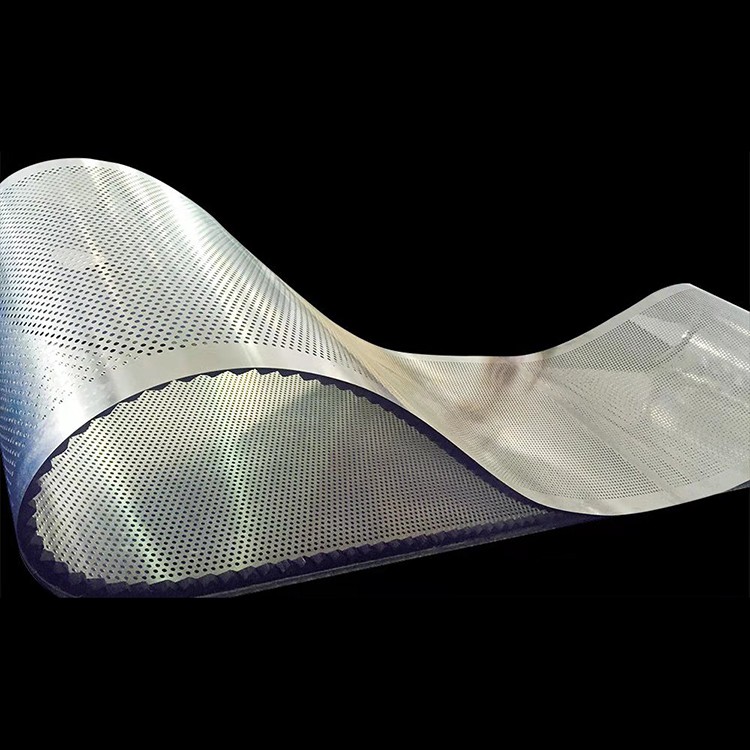
I get why it’s such a common one. When a blade stops cutting like it used to—when it’s dull, skipping across the material instead of biting in, or leaving rough edges on granite, tile, or steel—your first thought is probably, “I don’t want to buy a new one if I don’t have to.” Plunging into new equipment cuts into profits, and if you’re already working on a tight project timeline, downtime from waiting for a new blade? That’s a nightmare. So today, I’m pulling back the curtain on what I know about resurfacing electroplated blades—what works, what doesn’t, and when it’s actually worth even trying.
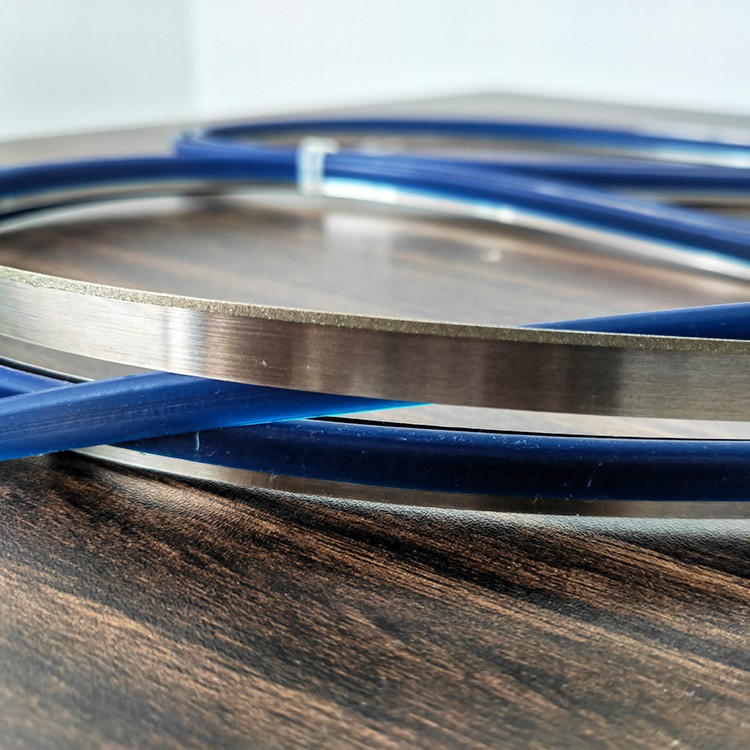
First, let’s make sure we’re on the same page about what an electroplated diamond blade is, because that’s non-negotiable here. Unlike sintered blades, which have diamond segments baked into a metal bond, electroplated blades are built differently. The core is a steel disk, right? And then we use an electrochemical process to plate a thin layer of diamond grit (usually between 50 and 200 microns, depending on the blade’s use) onto the edge of that disk, all bonded with a thin nickel layer. That nickel is key—it’s not super thick, usually just a fraction of a millimeter, and it’s what holds the diamonds in place. When that layer wears down, or when the diamonds get flat (called “attritious wear” in the industry), the blade stops cutting.
So why would someone think resurfacing is even an option here? A lot of folks I talk to come from using sintered blades, where you can grind away the worn outer layer of the segment to expose fresh diamond, and it works great. Sintered blades have thick, replaceable segments, so resurfacing is standard practice for those. But electroplated? The structure’s way more delicate—too delicate for that kind of grinding, usually. Let’s break down the reasons why resurfacing rarely works for electroplated blades, and when there’s a tiny, tiny exception.
First, the big one: the thickness of the diamond-nickel layer. Like I said earlier, that active layer (the part with diamonds) is only 0.05 to 0.15 millimeters thick. Compare that to a sintered blade’s segment, which is 3 to 10 millimeters thick. If you try to resurface an electroplated blade by grinding off the worn part, you’re not just removing the dull diamonds—you’re grinding away most or all of the nickel bond, and soon you’re down to the bare steel core. There’s nothing left to hold the diamonds. That’s a non-starter for 90% of electroplated blade scenarios.
Second, the precision required for electroplated blades. A lot of people don’t realize how exact these blades have to be. For example, if you’re cutting micro-electronics components, or thin ceramic tiles, or even small metal parts, the blade’s edge has to be perfectly uniform—no wobble, no inconsistent thickness. Electroplating is a precision process; when we make a blade, we control every part of the plating bath, the current, the time, to get that uniform diamond distribution. If you try to resurface it on a standard grinder, you’re going to create an uneven edge, which will cause the blade to vibrate, overheat, or even break mid-cut. That’s a safety hazard, too—no one wants a saw blade flying apart while they’re using it.
Third, diamond size and consistency. When we plate a new electroplated blade, we use a specific mesh size of diamond grit for a specific job. A 100-grit blade is for rough cuts on stone, a 320-grit is for smooth cuts on tile, a 600-grit is for fine work on metal. If you resurface a blade, you’re not getting new diamond grit—you’re just re-exposing the old, worn diamonds, which are flat and rounded, so they won’t cut as aggressively or cleanly as new ones. Even if you somehow managed to re-plate the edge after resurfacing, that’s a way more complex process than most people realize, and it’s not something you can do in a typical workshop.
Wait, but hold on—am I saying it’s never possible? No, I’ve seen a rare case where it works, and it’s specific. Let’s say you have a brand-new electroplated blade that’s only been used a couple times, and the only thing wrong with it is a tiny patch of dull grit, not the entire edge. Or if a small section of the diamond layer got damaged, not the whole circumference. In that case, some specialized electroplating shops can re-plate just the affected area, but even then, it’s a temporary fix. The blade’s balance is thrown off, and that small patch of new diamond grit will wear unevenly with the rest of the old layer, leading to inconsistent cuts faster than a new blade would. And even that specialized re-plating costs almost as much as a brand-new electroplated blade anyway—so why not just buy new?
Let’s also talk about the risks of trying to resurface an electroplated blade yourself, because I’ve heard horror stories from customers who tried this and ended up with damaged equipment or even injuries. For one, overheating the steel core when grinding can warp it. If the core bends even a little, the blade will wobble when it’s spinning at 3,000 or 5,000 RPM, which can cause the saw to kick back. That’s dangerous. Also, grinding away the diamond layer can release metal shavings and diamond dust, which is not something you want inhaling—diamond dust can damage your lungs, and nickel dust is toxic. Most workshop ventilators aren’t set up to handle that kind of fine dust, so that’s another health risk.
Now, let’s circle back to the alternative, because that’s what our customers actually care about. If resurfacing isn’t a good option, what do you do when your electroplated blade goes dull? The first thing is to assess how worn it is, and what kind of blade you have. For example, thin electroplated blades (under 0.5 mm thick) are almost always disposable when dull—their whole point is precision and clean cuts, not long life. Thicker electroplated blades, used for heavier cutting like rebar or thick stone, might actually have a little more life in them, but even then, once the diamond layer is worn down, replacement is better.
And here’s the thing about our blades specifically: we build them to be cost-effective. We know our customers don’t want to overpay for replacements, so we source high-quality diamond grit from reputable suppliers, use a consistent plating process, and price our electroplated blades competitively. A lot of customers tell us that even if they could resurface a blade, the cost of resurfacing plus the downtime is more than just buying a new one—especially when our blades have a 30-day performance guarantee, so if a blade doesn’t work as expected, we’ll replace it no questions asked.
Wait, let me address a common misconception I hear: “I can just true up the blade, right? That’s resurfacing, isn’t it?” No. Truing is different. If your blade is wobbly or has a slight bend, truing it (adjusting the core) can fix that, and that’s a normal maintenance step we recommend for all saw blades. But truing doesn’t touch the diamond layer. It’s just fixing the steel core’s alignment. That’s totally safe and worth doing when needed. I always tell our customers to check their blade’s balance every 10-15 hours of use, especially before a big job—even a tiny wobble can ruin a cut or damage your saw.
Another question I get: “What if I use a different sharpening method? Like a diamond wheel grinder?” Yeah, I’ve seen people try that. But even a diamond wheel is going to grind away the nickel layer and expose the steel core, same as any other grinder. The only way to re-expose fresh diamonds without grinding is to do what we call “dressing” the blade, but dressing is only for when the diamonds are clogged with material, not when they’re worn down. Dressing uses a hard abrasive wheel to clear away debris from the cutting edge, so new diamonds can be exposed. If your blade is just dull, dressing won’t help at all. If it’s clogged, dressing can bring it back to life, but that’s not resurfacing—that’s maintenance. I make a point to teach all our regular customers how to dress their blades correctly, because that’s a free way to extend the life of an electroplated blade when it’s clogged, not when it’s worn.
Let’s put numbers to this, because I like facts more than opinions. The active diamond layer on a standard electroplated saw blade is approximately 0.1 mm thick. Once half of that is worn down (0.05 mm), the blade starts cutting poorly, because there’s not enough diamond sticking out above the nickel to do the work. If you try to remove the worn portion, you have to take off that entire 0.05 mm, leaving you with only 0.05 mm of active layer left—meaning half the diamond grit is gone. That will make the blade cut slower, use more power, and wear out even faster than a new one. And if you take off more than 0.1 mm, you’re at the core, which has no diamond at all. That blade is useless.
Compare that to sintered blades, where each segment is 5 mm thick. You can safely resurface 2-3 mm of that, leaving plenty of diamond and bond to hold the new grit. That’s why resurfacing works for sintered, but not electroplated. It’s all in the thickness of the working layer, and that’s the key difference I always make sure customers understand when they ask about this.
I also want to mention environmental factors, because that’s a big deal for a lot of our clients who work with construction or industrial materials. When you resurface a blade, you’re generating metal waste and diamond dust, which have to be disposed of properly. Re-plating a blade uses chemicals that aren’t exactly eco-friendly, unless the shop has proper waste management systems. Buying a new blade means you get a product designed to last for its intended use, and many metal parts of used blades can be recycled, so it’s less waste overall than the alternative of resurfacing.
Now, I’m not saying we don’t understand why people want to resurface. Starting a new project with a dull blade is frustrating, and no one wants to throw away a blade that still looks like it’s in good shape. But after 12 years in this business, I’ve seen every outcome: customers who tried to resurface a blade, ruined their saw, missed a deadline, and ended up spending three times more than they would have on a new blade. And customers who followed our advice, got a new electroplated blade, and finished their job on time and on budget.
If your blade is only a little dull, first check if it’s clogged—try dressing it with a proper blade dresser. If it’s really worn, or if you’ve already dressed it multiple times and it’s still cutting poorly, it’s time to replace it. And when you do replace it, consider what you’re using it for: if you’re doing fine cuts on tile or electronics, a thin high-precision electroplated blade is worth the investment, and it’s designed to be replaced when it’s dull. If you’re doing heavy cutting on steel or thick stone, a thicker electroplated blade might last a little longer before needing replacement.
At the end of the day, the question of “can I resurface an electroplated diamond saw blade?” boils down to science. The structure is just too thin, too precise, and too specialized to allow for resurfacing without damaging it. It’s not a matter of skill—it’s a matter of the design. We build these blades for specific jobs, and when their working layer is gone, the best option is to get a new one.
If you’re not sure whether your blade is at the point where it needs replacing, or if you have questions about choosing the right electroplated diamond saw blade for your work, we’re here to help. Whether you need a single blade for a small home project or a bulk order for a construction company, we can walk you through the best options, answer any questions you have, and make sure you get the right blade for the job. Don’t waste time trying risky resurfacing methods—reach out to us, and we’ll help you keep your projects running smoothly.
Metal Belts References
- Ashby, M. F., & Jones, D. R. H. (2012). Engineering Materials 2: An Introduction to Microstructures, Processing and Design. Butterworth-Heinemann.
- Diamant Products Technical Guide. (2021). Electroplated Diamond Saw Blades: Design, Application, and Maintenance. Industrial Diamond Association.
- Marshall, D. B., & Evans, A. G. (1984). Mechanical properties of ceramic materials. Annual Review of Materials Science, 14(1), 167-209.
- Saw Blade Maintenance Best Practices. (2019). Fabricator’s Guide to Precision Cutting. National Tooling and Machining Association.
Qingdao Acome Machinery Co., Ltd.
Qingdao Acome Machinery Co., Ltd. is one of the most professional electroplated diamond saw blades manufacturers and suppliers in China, featured by quality products and good service. Please rest assured to wholesale customized electroplated diamond saw blades made in China here from our factory.
Address: No.71-006, YongPing Road, LiCang District, Qingdao, 266041, Shandong Province, China.
E-mail: info@acometech.com
WebSite: https://www.acometech.com/
