Hey there! If you’ve ever shopped for kitchen countertops, bathroom vanities, or even outdoor bar surfaces, you’ve probably seen quartz surface pop up nonstop. It’s super popular for being low-maintenance, sleek, and looks like natural stone without all the upkeep. But I get it—when you’re dropping cash on a big home upgrade, you’re gonna wonder: how long does this stuff actually last? As a quartz surface supplier who’s been in the game for years, I’ve answered this question so many times I practically have it memorized. But let’s break it down like we’re chatting over a coffee, no stuffy jargon. Quartz Surface
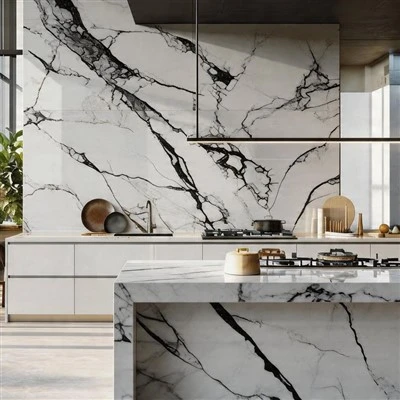
First off, let’s get one thing straight: quartz isn’t 100% natural stone. It’s a man-made composite, right? We mix ground quartz (that’s the hard stuff you find in rocks) with resin binders and a few pigments to get that uniform look. That mix is what makes it durable, but also what affects how long it sticks around. Now, if you’re asking “how long,” there’s no one exact number—way too many variables here. But I’ve seen good installs last 15+ years, and some premium ones hit 25 or more. Let’s get into what makes that range big, though.
First, the big one: the manufacturing quality. Not all quartz is created equal. When I talk to customers, I always tell ’em, “You get what you pay for here.” Cheap quartz might skimp on the amount of actual quartz in the mix—some low-end brands only have 70% quartz, vs. the standard 90-93% that most reputable makers use. If there’s less quartz, there’s more resin. Resin wears down over time, it’s softer, and it can yellow or scratch easier. I’ve had a customer reach out last year with a 5-year-old countertop from a discount big-box store—theirs had deep scratches from a cutting board that was dragged across it, and the edges were chipping because the resin broke down. On the flip side, the quartz we supply uses 92% high-grade quartz and UV-stabilized resin, so it doesn’t yellow even after years of being in direct sunlight (huge for outdoor kitchen surfaces, by the way).
Then there’s installation. Even the best quartz won’t last if someone messes up putting it in. I’ve seen installs where a cut was off, so the seam wasn’t sealed right—water got in there, mold grew behind the counter, and it had to be replaced in 8 years. Or if the installer didn’t support the edges properly, over time the quartz can crack under the weight of heavy things like a commercial-grade stove or a huge island countertop. Pro tip: always go with an installer who’s worked with quartz before. It’s not like laminate—you can’t just glue it down like that. A good installer will use silicone caulk made for quartz, get the seams perfectly tight, and make sure the subfloor is solid enough to hold it. Use our recommended installers if you need—we’ve vetted a bunch over the years, no hassle for our customers.
Next, how you use and maintain it. Quartz is way more low-maintenance than granite or marble, but that doesn’t mean you can treat it like a garbage can. I see people do all kinds of stupid stuff that shortens its life. Dragging cast-iron skillets across it—scratches are permanent, even on high-grade quartz. Spilling harsh chemicals like nail polish remover or oven cleaner on it and leaving it there for hours—those can etch or discolor the surface, especially if the resin isn’t UV-treated. On the flip side, proper maintenance makes a world of difference. Wipe up spills right away (even though quartz is stain-resistant, it’s not stain-proof—red wine left overnight can seep into a scratch and leave a mark). Use a mild dish soap and a soft cloth to clean it, no abrasive scrubbers like steel wool or scouring pads. And here’s a myth I have to bust: you don’t need to seal quartz! Natural stone needs sealing every year or two, but quartz’s resin and tight structure make it non-porous, so sealing is a waste of time and money. I’ve had a customer who never did anything special to their quartz countertop in their rental property—rents it out to college kids who don’t care, and it’s still in good shape after 12 years. Another customer babied theirs and it’s 18 years old, looks almost new.
Wait, what about extreme conditions? Like outdoor use? A lot of people ask if quartz works for patios or outdoor kitchens. The short answer is: some types do, some don’t. The quartz we supply for outdoor areas is specially formulated to resist temperature swings—goes from 100°F summer sun to 30°F winter cold, no cracking or warping. But cheap outdoor quartz? It’ll fade or crack within 3 years because the resin isn’t designed to handle those temps. Indoor quartz is fine for regular use, but don’t put it in direct sun all day long if you can help it, even our premium stuff will fade a tiny bit over 20 years if it’s in a window that gets full sun nonstop. And don’t set hot pans directly on it! I know quartz is heat-resistant, but most can handle up to 300°F—if you set a 500°F frying pan right off the stove, that’s gonna leave a heat mark. Use a hot pad, it’s easy.
Now, let’s talk about the signs it’s time to replace your quartz. Because even the best stuff won’t last forever. If you’re seeing deep scratches that you can’t buff out, or chips along the edges that are getting bigger, that’s a problem. If it’s yellowing unevenly, especially near windows, that’s from cheap resin or too much sun exposure. Or if the seams are pulling apart, and water is getting in there and causing mold or rot in the cabinets below—you can’t fix that easily, so replacement makes sense. I’ve also had people come to me wanting to replace quartz that’s 20 years old just because they want a new look, not because it’s damaged. That’s totally normal—home styles change, and quartz comes in so many colors now that it’s way different than the beige stuff from 20 years ago.
So putting it all together: the average lifespan of a good-quality quartz surface, installed right, and cared for properly, is 15 to 25 years. If you skimp on the material, hire a bad installer, or treat it like a tank, it might only last 5 to 10. But if you invest in good quartz, install it right, and do the basic upkeep, it’ll outlast a lot of other countertops out there. Compared to granite, which can last 100+ years but needs regular sealing and gets stained easily, quartz is a middle ground that’s way easier for busy homeowners.
As a supplier, I’ve got tons of customers who’ve had our quartz installed in their homes for a decade, and they tell me it still looks better than the laminate they replaced. One guy just had his 16-year-old kitchen quartz refinished—we offer a light buff to get rid of surface scratches, and it looked like new. That’s a quick way to extend its life without a full replacement.
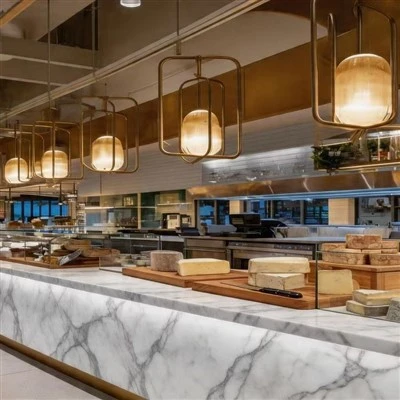
If you’re thinking about upgrading your countertops, or even adding quartz to a bathroom or outdoor space, don’t stress too much about the lifespan—just pick a reputable material, work with someone who knows how to put it in, and take 2 seconds to wipe up spills. It’s not as high-maintenance as you might think, and it’ll save you from having to rip everything out in a few years.
Quartz Flooring Want to talk more about which quartz option is right for your space, get a sample, or ask questions about installation? Just reach out to our team for a no-obligation chat about what works best for your home or business. We’re here to help you make a choice that lasts, not just for today, but for years down the line.
References
- National Kitchen & Bath Association. (2022). Countertop Material Durability Guide. NKBA Press.
- Stone World Magazine. (2021). Composite Quartz Manufacturing and Performance Standards. Endeavor Business Media.
- U.S. Department of Energy. (2020). Energy-Efficient Outdoor Surfaces: Material Selection and Longevity. DOE Office of Energy Efficiency & Renewable Energy.
- International Association of Home Inspectors. (2023). Common Countertop Installation Defects and Lifespan Expectations. IAHI.
Wuhu Junde New Material Technology Co., Ltd.
As one of the most experienced quartz surface manufacturers and suppliers in China since 1998, we warmly welcome you to wholesale top-quality quartz surface made in China here from our factory. If you have any enquiry about cooperation, please feel free to email us.
Address: No.8 Yulin Road, Xinwu Economic Development Zone, Anhui Province, China
E-mail: 1127319898@qq.com
WebSite: https://www.jundequartz.com/
