If you’ve ever had a washing machine that’s leaving half your clothes still dirty, chances are the agitator’s the culprit. As someone who runs an agitator supply business, I’ve helped hundreds of homeowners and repair techs fix this issue way faster than they thought possible, and most of the time it’s just a simple install or reinstall that does the trick. I’m gonna walk you through this step-by-step, no jargon, no confusing shortcuts, just real stuff I’ve seen work hundreds of times. Agitator
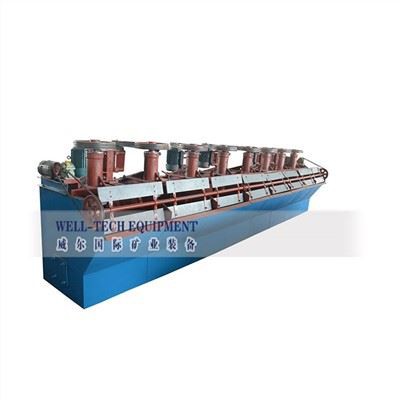
First, let’s get one thing straight: the agitator’s that big, spindle-shaped thing in the middle of your top-load washer that twists back and forth to scrub clothes. If it’s wobbly, stuck, or not moving at all, it’s gotta be removed, the old one taken out, and a new one installed right. And yeah, installing an agitator isn’t brain surgery—even if you’ve never turned a screwdriver without help, you can knock this out in under 45 minutes, as long as you have the right tools and don’t skip the small steps.
Before we even touch your washer, let’s gather what you need. I’ve had people show up with random tools and waste 20 minutes digging around, so keep this list handy: a Phillips-head screwdriver (the kind with the cross tip, not flat), a 1/4-inch socket wrench (or a deep socket if you have one—they make removing the bolt way easier), a pair of pliers for grabbing stubborn parts, and your new agitator (obviously, since you’re here). Pro tip from me: don’t buy a random agitator off Amazon. Make sure it’s the exact model for your washer—most washers have a model number on the back or inside the door frame, and if you’re buying from a reputable supplier, just tell them your model and they’ll hook you up. That saves you from returning a wrong one and waiting another week.
Next step: disconnect everything and move the washer a little. This is a step almost everyone skips, and it’s why they end up spilling water all over their floor. Unplug the washer from the wall first—safety first, duh. Then turn off the water valves behind it, the ones where the hoses connect to the wall. Pull the washer out just far enough so you can stand behind it comfortably, no need to drag it all the way across the room. Wait a second before you touch the agitator itself: let’s give it a quick inspection. Most agitators twist off, but some have a cap on the top that hides the bolt holding it down. Grab the top of the agitator and twist it left (counterclockwise) a couple times—if it moves a little, the cap’s probably loose enough to pull off by hand. If it doesn’t budge, grab your pliers, wrap a rag around the top to keep from scratching it, and twist gently until the cap comes off.
Now for the bolt. This is the big one that holds the agitator to the transmission inside your washer. Stick your Phillips screwdriver or socket into the hole where the cap was, and turn it counterclockwise to loosen it. Important: don’t yank it out all the way yet! If you do, the agitator might pop up too fast, and the parts inside will fall out. Loosen it until there’s about a half-inch of space between the bolt head and the washer’s top, then stop.
Time to remove the old agitator. Grab the sides of it firmly, pull straight up slowly. It might be stuck a little from years of detergent buildup or gunk, so wiggle it back and forth as you pull—don’t yank, because you can damage the inner parts. Once it’s out, take a second to clean the hole where it sat. Wipe out any old detergent, lint, or rust with a rag, because if you put the new agitator on top of that gunk, it’ll wobble or not work right. That little clean takes 30 seconds and saves you a headache later.
Now we’re ready to install the new agitator. Wait—before you do that, check the bottom of the new agitator. Most have small lugs or splines that need to line up with the slots inside the washer’s transmission. If you don’t line those up, the agitator won’t spin properly, and you’ll be back here in a week. Hold the new agitator by the middle (not the top, or you’ll bend it) and lower it straight down into the hole. Give it a little twist back and forth until it slides all the way down and sits flat on the washer’s base. If it doesn’t go in easily, don’t force it—lift it back up and adjust the splines, because you’re definitely not aligned right.
Once it’s seated, put the bolt back in. Turn it clockwise with your screwdriver or socket until it’s tight, but don’t crank it so hard you strip the threads! I’ve seen people over-tighten this and snap the bolt, which costs way more to fix than taking it easy. A good rule: tighten it until it feels snug, then give it one extra turn. That’s perfect. Then put the cap back on the top of the agitator—just press it down until it clicks, no need to force it.
Wait, hold on—let’s test it before you put everything back. Plug the washer in, turn the water back on, and run a quick empty cycle on the lowest agitation setting. Listen for the hum of the motor, and watch the agitator twist back and forth. If it moves smoothly, no wobbling, and it sounds normal, you’re good! If it’s still stuck or making a weird grinding noise, pull the agitator back out and check the splines—you probably messed up the alignment, which is super easy to fix if you catch it now instead of after putting the washer back.
Once you’ve confirmed it works, pull the plug again, push the washer back into place, and hook the hoses back up. That’s it! Most people spend longer looking for tools than actually doing the install. I’ve had customers tell me they thought they’d need to pay a repair guy $150 to do this, and they knocked it out in 20 minutes flat.
Now, a few quick pro tips from someone who sells agitators every single day. First, if you’re replacing the agitator because it’s cracked or broken, don’t just buy the cheapest one you can find. Cheap agitators are made from flimsy plastic that breaks within a year, while the ones I supply are heavy-duty, designed to last the life of your washer. I know it’s tempting to save $10, but you’ll regret it when you’re replacing it again in 12 months. Second, if your agitator has an upper and lower half (some top-loaders do, like the direct-drive ones), make sure you match those up correctly. The upper half is the part that moves, and if you swap it with the lower, it won’t twist right. Third, if you smell burnt rubber or see black gunk coming from the agitator, that’s a sign the transmission is going bad, not just the agitator—so you might want to get that checked too, but that’s a separate issue from the install.
I get it, a lot of people are scared to work on their appliances, and that’s fine! You don’t have to be a handyman to do this. The most common mistakes people make are not lining up the splines, over-tightening the bolt, or skipping the clean of the old gunk, and those are all super easy to avoid. If you’re in the market for a new agitator, or you’re not sure which one your washer needs, just reach out to me and my team. We can help you find the exact right part, answer any questions you have, and even walk you through the install step by step if you get stuck. No sales pitches, no hidden fees, just real help for something that should be simple.

Installing a washing machine agitator doesn’t have to be a big deal. It’s one of those small fixes that makes your whole washer work better, and it’s way cheaper and faster than calling a repair tech. Just follow the steps, take your time, and make sure you get the right agitator for your model—then you’re good to go. And if you need anything along the way, we’re here to help.
Lab Mining Equipment References:
- Appliance Repair Tips: Top-Load Washer Agitator Installation and Maintenance, 2023
- HomeAdvisor: How to Replace a Washing Machine Agitator, 2024
- PartSelect: Washing Machine Agitator Removal and Installation Guide, 2023
- U.S. Consumer Product Safety Commission: Appliance Safety Tips for Home Repairs, 2022
Jiangxi Well-tech International Mining Equipment Co., Ltd.
Jiangxi Well-tech International Mining Equipment Co., Ltd. is one of the most professional agitator manufacturers and suppliers in China, featured by quality products and good service. Please rest assured to wholesale customized agitator at competitive price from our factory.
Address: Guzhang Industrial Park of Shicheng County, Ganzhou City, Jiangxi Province, China
E-mail: mily@benefication.com
WebSite: https://www.cn-welltech.com/
