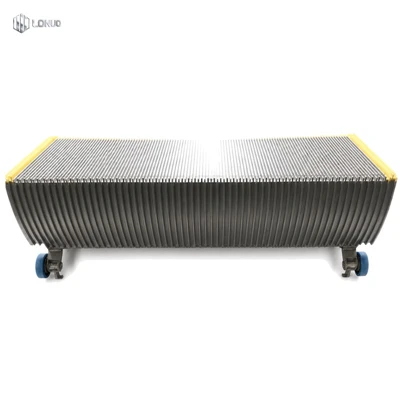
If you work in elevators or escalators, you know step chains are the unsung heroes of every moving walkway and escalator. I’m a step chain supplier, so I see way too many people skip proper lubrication—and that’s exactly why steps break, chains stretch, and clients end up calling for emergency repairs at 2 a.m. Today, I’m breaking down exactly how to lubricate those chains right, no guesswork, no overcomplicating it—just real, field-tested stuff I’ve learned from watching maintenance teams mess up (and fix) this a hundred times over. Escalator Step

First off, let’s cut the BS: step chains don’t need lubrication every month. But they also don’t need to go years without a drop, either. The sweet spot is every 6 to 12 months, depending on where the escalator is. A mall with 10,000+ people a day? Do it twice a year. A little-used office building escalator? Once a year is fine. But here’s the thing—you can’t just grab any random lube off the shelf. A lot of guys I know use generic grease or household oil, and that’s a fast track to disaster. Step chains run through the escalator’s midsection, surrounded by dust, dirt, and sometimes spilled soda or gum residue. The wrong lube will either attract all that gunk and turn the chain into a gritty mess, or dry out in a week and leave metal grinding on metal.
Stick to the right product: we recommend a high-viscosity, food-grade lubricant for most indoor escalators, and a heavy-duty, water-resistant lube for outdoor ones or places with super high foot traffic. Avoid lithium-based greases—they work for car parts, not for step chains, because they break down when exposed to constant pressure from step movement. You want something that sticks to the chain pins and rollers, not flings off into the carpet or onto people’s shoes. I’ve had so many clients send me photos of customer complaints because old maintenance guys dribbled too much lube onto the steps—don’t be that person.
Now, let’s talk tools. You don’t need a mechanic’s entire toolbox, but you do need a few specific things. First, a stiff wire brush (not a metal scraper—you don’t want to scratch the chain links or the metal housing around the steps). A small funnel or a plastic squeeze bottle with a thin nozzle—something that lets you get lube exactly where you need it, not all over the place. A rag or paper towels to wipe up excess, and, super important, a key to turn the escalator OFF and lock it out. No exceptions. I don’t care if you “just need to tighten a chain link” or “it’s only going to run slow”—lock that thing out. Lives depend on it, and also, you don’t want to get your sleeve caught in a moving step chain. I’ve seen that happen once, and it’s not a story anyone wants to tell.
Alright, step-by-time—let’s get this done right, no skipping steps (pun fully intended). First, clear the area around the escalator entrance, and put up those little caution signs. People love to walk right into a maintenance zone, so save yourself the headache. Now, the most boring part: clean the chain. Take your stiff wire brush and get between the links, on the rollers, and along the entire length of the chain. If there’s old, caked-on grease or dirt, you can use a little degreaser, but make sure it’s safe for metal chains—no harsh chemicals that will eat away at the metal over time. Wipe everything down with your rag when you’re done. If you skip cleaning, the new lube will get trapped under the old gunk, and you’ll just end up with a dirty chain that still grinds. I once watched a maintenance team try to lube a chain without cleaning it, and by the end, they just flushed out more old grease than they put in new stuff. Total waste of time.
Next, figure out where to apply the lube. This is the part most people get wrong. You don’t spray or dribble lube on the outside of the chain. You need to get it into the pin joints and the rollers—those are the parts that actually move. If you can, access the chain through the side panel of the escalator (most models have a removable panel, sometimes held in by just a few screws). If you can’t get to the side, you can apply lube to the top of the chain as it moves, but make sure you’re targeting the gaps between the links, not the flat surface. Turn the escalator on—set it to slow speed, so it moves at a crawl—and slowly apply the lube. Let the chain move through the nozzle so every link gets a small drop. Don’t overdo it. You only need enough to coat the pins, not soak them. If you see lube dripping off the bottom of the chain, you’re using too much. Wipe that up immediately, before it gets on the steps.
Wait, what about step bearings? A lot of people forget about these little guys, and they’re just as important as the chain. Each step has small bearings that roll along the track inside the escalator. If those seize up, your steps will get wobbly, or even stop moving entirely. You can apply a tiny bit of the same lube to the step bearings, but be super careful not to get any on the step tread itself. A drop on a plastic tread could make it slippery, and that’s a liability you don’t want. A quick tip: wipe the bearing with a little degreaser first, just like the chain, then add a single drop of lube. No more.
Once you’ve lubed the entire chain, turn the escalator off again for 10 minutes. This lets the lube seep into all the little joints, instead of flinging off right away. After that, run it for a full cycle forward and backward (if your model has that function) to work the lube into every part. Then, do a walkaround: check the steps for any excess lube, make sure there’s no dripping onto the floor, and listen for any weird grinding or squeaking noises. If you don’t hear any, you did it right. If you do, go back and check if you missed a link, or if you applied too much lube.
Now, a few common mistakes I see all the time—let’s get these out of the way. First: over-lubricating. It’s not a “more is better” situation. Too much lube attracts dust and debris, which acts like sandpaper on the chain, wearing it out way faster. I’ve had clients send back chains that only lasted 2 years because maintenance was dousing them in grease every 2 months. Second: using the wrong lube, like I mentioned earlier. I had a guy last month who used cooking oil on an outdoor escalator—by the end of the week, it had frozen solid when temperatures dropped. Don’t do that. Third: not locking out the escalator. This is non-negotiable. I don’t care how experienced you are. One slip and you’re in the hospital, no exceptions.
Also, as a step chain supplier, I can tell you that proper lubrication is one of the biggest factors in how long a chain lasts. A well-lubed step chain can go 10+ years without needing replacement. A poorly lubed one? 3 to 5 years, max. That’s a huge cost difference for building owners. When you factor in emergency service calls, downtime, and replacement parts, taking 30 minutes every 6 months to do this job saves everyone a ton of money and headaches.
If you’re a building manager, maintenance tech, or someone who works with elevators, and you need step chains, replacement parts, or advice on keeping your escalators running smoothly, reach out. We work with commercial properties, malls, office buildings, and more, so we know what works for different spaces. Whether you need a bulk order of high-quality step chains, or just someone to walk you through a lubrication routine that fits your schedule, we’re here to help. Don’t wait until your escalator gives out and leaves customers stranded—stay on top of maintenance, and it’ll save you a ton of trouble down the line.
Just remember: step chains are simple, but they need care. Don’t overcomplicate it, use the right stuff, take your time, and lock that machine out. You’ll have a smooth-running escalator for years, and no one will even notice the work you did—until they don’t have to deal with a broken step. That’s the win.
Elevator Safety Protection System REFERENCES
- ASME A17.1-2020: Safety Code for Elevators and Escalators
- National Elevator Industry Educational Program (NEIEP) Maintenance Training Manual
- KONE Escalator Component Lubrication Guidelines
Huzhou Longnuo Electromechanical Co., Ltd.
As one of the most professional escalator step manufacturers and suppliers in China, we also support custom service. We warmly welcome you to wholesale durable escalator step made in China here from our factory. If you have any enquiry about cooperation, please feel free to email us.
Address: 2-2105, Jiayuan Center Square, Nanxun District, Huzhou City, Zhejiang Province, China
E-mail: zhenlei@hzlnjd.com
WebSite: https://www.lonuofuji.com/
