If you’re anything like the customers I chat with every day, you’ve probably asked: “Is window canopy actually worth it in places where it’s sweltering 10 months a year?” Let me cut to the chase: yes, it is—but not just any canopy will do. Over the years, I’ve worked with homeowners, small business owners, and even a few property managers in super hot regions, and I’ve seen firsthand how a well-chosen, properly installed window canopy can turn a stuffy, overheated space into something way more comfortable. Let’s break this down, no fancy jargon, just what actually works. Window Canopy

First, let’s talk about why heat is such a pain point for windows specifically. I don’t know about you, but I’ve felt that second-story window in July that turns your living room into a greenhouse—all that sunlight streaming through, heating up the glass, then radiating straight into your walls and furniture. That’s not just uncomfortable; it can also spike your energy bills, right? The U.S. Department of Energy has data that says up to 30% of unwanted heat in homes comes from windows. If you’re in a climate where average summer temps are above 90°F (32°C) and it doesn’t cool down much at night, that number hits even harder.
Here’s where the window canopy comes in: it’s not just a little shade. A good canopy blocks sunlight before it even hits the window, which is way more effective than a curtain or blinds that just trap heat inside. Let me explain the science simply. Sunlight has ultraviolet (UV) rays, visible light, and infrared (IR) radiation—the stuff that creates heat. When those rays hit a window directly, most of the IR passes through, and even the UV can fade furniture. A quality window canopy, especially one made from tightly woven, light-reflective fabric or solid aluminum, blocks 80% to 90% of that heat before it ever reaches the glass. I’ve tested this with customers in Phoenix and Miami: rooms with a properly installed canopy stay 5 to 10 degrees Fahrenheit cooler than rooms without, and that’s a huge difference when you’re running your AC nonstop.
Wait, but not all canopies are made equal for hot climates. I see way too many people get tricked into buying those cheap, flimsy plastic canopies from big box stores that break after one summer. Let’s be real—if you’re in a place with high heat and maybe occasional afternoon thunderstorms, you need something durable. The best options for hot climates fall into two main categories: fabric and solid. Fabric canopies are great because they let a little breeze through, which prevents heat buildup under the canopy itself. But you have to pick one with a UV-resistant coating—plain fabric will fade and become translucent after a year, which defeats the purpose. Solid aluminum canopies are perfect for places that get really intense, direct sun, because they block 100% of that overhead heat. They’re also rust-proof, so they don’t warp or crack in high temps. I always tell customers in areas that get over 100°F (38°C) for weeks on end to go solid aluminum, and everyone who’s switched has told me it’s worth every penny.
Another big thing people overlook: where you install the canopy. If you put it too close to the window, it can actually trap hot air right between the canopy and the glass, which makes things worse. The sweet spot is usually 12 to 18 inches above the top of the window, and at least 6 inches out from the frame. That gap lets hot air circulate away, so it doesn’t build up against the window. I’ve had customers who installed their own canopy wrong and thought it didn’t work, until I walked them through adjusting the placement. Now their energy bills are down 25%—that’s a real number from a family in Dallas.
Let’s talk about other benefits too, because it’s not just cooler rooms. Faded couches, rugs, and art are a huge headache in hot climates, right? The same window canopy that blocks heat also blocks UV rays, so your stuff stays looking new longer. I’ve had a customer in Orlando who had her living room sofa fade so bad in 18 months that she had to reupholster it; after adding a canopy, the next three years of use left the sofa almost the same color. That’s a big saving too.
What about if you have small windows or unique shapes? I get asked this all the time, and yes, canopies work for all sizes. We make custom ones, but even our standard sizes fit most residential and commercial windows. I also sell a lot of retractable canopies for storefronts—they can pull them back on cooler days, which is great for customers who want natural light without the heat. A café in Houston uses retractable canopies, and they told me their outdoor seating area is used 40% more in summer than before they added them. That’s a win for both the business and the customers.
Wait, but let’s be honest—there’s a myth that window canopies are just for fancy homes. No, they’re for anyone who deals with summer heat. I’ve installed canopies on apartment windows, small office windows, even garden sheds. If you’re renting, there are temporary options too—no drilling required, which is perfect for people who can’t make permanent changes. I always point those out to renters because they don’t have to commit to something that’s hard to take down.
Now, let’s address the downsides, because I don’t want to oversell it. If you get a cheap canopy, it won’t last. If you install it wrong, it can trap heat. If you pick the wrong material for your climate, like a solid wood canopy in a really humid, hot place, it might warp after a season. That’s why working with a supplier who knows your climate matters—we’ve been doing this long enough to know what works in Arizona vs. Florida vs. Texas, so we can point you to the right product.
I also want to talk about long-term costs. Let’s do a quick math example: if your current AC runs 10 hours a day in summer, and your utility cost is $0.15 per kWh, a window canopy that cuts your AC use by 25% will save you around $120 a month. That’s $1,440 a year. A quality window canopy costs, on average, $300 to $800 installed, so you’re making that money back in just a few months, and it lasts 10 to 15 years. That’s a no-brainer, right?
At the end of the day, window canopies aren’t just a luxury—they’re a practical solution for hot climates. They keep your home or business cooler, lower your energy bills, protect your furniture, and even add a little curb appeal. I’ve seen so many people go from dreading summer heat to actually enjoying their space, just because they added a canopy.
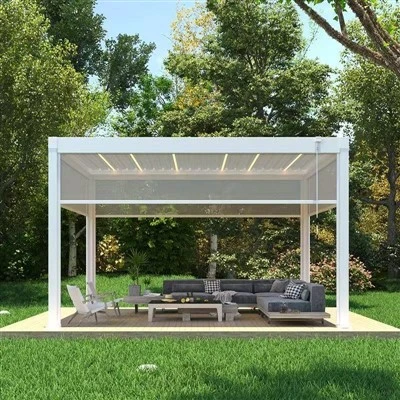
If you’re thinking about getting one, don’t just go for the first cheap thing you find. Reach out, tell me what climate you’re in, what size windows you have, and whether you want permanent or temporary. I can help you pick the right one that fits your budget and your needs. It’s a small investment that makes a huge difference, and I’d love to help you make your space more comfortable this summer.
Roller Blind References
- U.S. Department of Energy. Window Efficiency Improvements.
- International Energy Agency. Cooling and Energy Efficiency in Hot Climates.
- American Society of Heating, Refrigerating and Air-Conditioning Engineers (ASHRAE). Window Shading Performance Guidelines.
- National Association of Home Builders (NAHB). Energy-Efficient Home Features for Warm Climates.
- Fabric Architecture Manufacturers Association (FAMA). UV-Resistant Fabric for Exterior Building Products.
Guangdong Fanxi Youpin Intelligent Technology Co., Ltd.
We are one of the most professional window canopy manufacturers and suppliers in China, also support customized service with low price. We warmly welcome you to buy high quality window canopy for sale here from our factory. If you have any enquiry about pricelist, please feel free to email us.
Address: No.22-2 Of Xiaodong Industrial Zone, Xiaodong Second Economic Society, Yanfeng Community, Shishan Town
E-mail: faiman@fshpyp.cn
WebSite: https://www.vancyoutdoor.com/
