Hey there, thanks for stopping by! As someone who’s been in the mushroom soup mix game for over 10 years, I get tons of questions from customers, small café owners, and even home cooks scrolling the aisles: “Wait, is my mushroom soup mix actually organic?” It’s such a common question—and honestly, it’s one that sticks with me because I started this business back when “organic” was just a niche buzzword, not the mainstream must-have it is now. Let’s break this down like we chat over a coffee at my production facility (no stuffy jargon, promise). Mushroom Soup Mixes
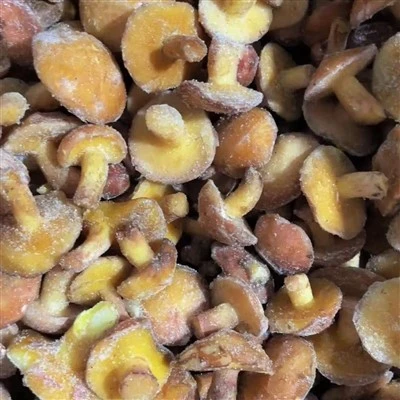
First off, let’s cut through the confusion: organic isn’t just a label you slap on a bag to charge a few extra bucks. There are actual rules, right? In the U.S., that’s the USDA Organic seal, and in the EU, it’s the EU Organic logo—those aren’t just for show. When we make our mushroom soup mixes, every single ingredient has to check specific boxes to earn that seal. Let’s start with the star of the show: mushrooms. Most conventional mushroom farming uses synthetic fungicides and fertilizers to speed up growth, but organic mushroom growing means no synthetic chemicals. The compost they grow in has to be all natural—no manure treated with antibiotics, no synthetic additives, just things like straw, hay, and crop waste. That’s non-negotiable for us, and for any legitimate organic product.
Then there’s the other stuff: the dried onions, garlic, herbs (thyme, rosemary, the little bits of parsley we toss in), even the salt. Conventional dried ingredients often have traces of pesticides from farming, or are treated with weird preservatives to make them last longer on shelves. For our organic mixes? We source all those from farms that follow organic crop rules—no synthetic pesticides, no GMOs, no artificial anything. Even the packaging for our mixes is organic-compatible: we use paper bags that are uncoated, no plastic liners with synthetic adhesives, because even packaging can count if it touches the ingredients. I’ve had so many customers tell me they didn’t realize that stuff matters—like, the bag your soup mix comes in could have hidden chemicals that leach in? Gross. We skip that.
But wait, not every mushroom soup mix out there is what it claims to be. That’s where the skepticism comes in, right? I’ve seen brands slap a “natural” label on a bag that’s just 10% organic mushrooms and the rest conventional junk, charging premium prices for nothing. That’s why I always tell people to look beyond the pretty logo. For our part, every batch of our mixes gets third-party testing—we don’t just self-certify. A neutral auditor comes in, checks our farm records, tests a sample for synthetic chemicals, and makes sure we’re actually following the rules. No shortcuts. Last year, we had a random audit (they do those, by the way) and we passed with flying colors—zero traces of synthetics, all ingredients accounted for. That’s the stuff that matters.
Now, let’s talk about why this matters beyond just “no weird chemicals.” For one, organic mushrooms taste better. Conventional ones are grown super fast, so they’re watery and have that bland, almost metallic aftertaste. Our organic mushrooms grow slower, they develop that deep, earthy umami that makes your soup feel like you simmered it for hours, not just mixed a powder and water. I get notes from home cooks all the time saying their kids beg for seconds now, and café owners tell me it’s their top seller. That’s not luck—it’s the actual ingredient quality.
Then there’s the environmental side. Conventional mushroom farming can leach synthetic chemicals into soil and groundwater, right? Organic farming keeps that from happening. Plus, a lot of organic mushroom farms use crop rotation, grow other plants alongside mushrooms, and reuse compost to cut down on waste. We’re a small supplier, so we can’t do huge scale, but every batch we make is one less bag of conventional soup mix going out, supporting farms that care about the planet too. Some customers ask if organic is more expensive, and yeah, sometimes—but when you taste the difference, and know you’re not contributing to harmful farming practices, it’s worth it. We keep our prices as low as we can too, because I don’t think good organic food should be just for rich people.
Wait, let’s address the elephant in the room: is there ever a time a mushroom soup mix doesn’t have to be all organic? For some people, “organic” just means no synthetic preservatives, even if the mushrooms are conventional. But that’s not the full definition—organic is a whole system. If you want the real deal, you want every ingredient to meet organic standards, not just part of it. I had a customer last year who told me she buys a “partially organic” mix, but she noticed the dried onions had pesticides on the label when she looked closely. That’s the thing—even a little trace can build up over time, right? Especially if you’re making soup for your family, or using it daily in a restaurant. We make all our mixes 100% organic, no exceptions, because I wouldn’t serve my own kids something that has hidden chemicals in it.
Another thing people don’t talk about: cross-contamination. If a brand makes both conventional and organic products, there’s a chance that even if you buy the organic one, bits of conventional ingredients could get mixed in during production. That’s why we have a dedicated line just for our organic soup mixes—no switching between conventional and organic on the same equipment. We clean every machine thoroughly between batches, and our workers are trained to make sure no cross-contamination happens. That’s another small detail that makes a big difference, and I’ve seen so many other suppliers skip that step. It’s worth the extra time and cost to us, because trust matters.
Let me throw in a personal story to make this real. When I first started this business, I was working out of my garage, just a small bag of dried mushrooms and herbs, no fancy labels. I used to buy mushrooms from a local farm that only did conventional, because it was cheaper. One time, my neighbor tried my soup and got a bad case of indigestion—turns out the farm used a fungicide that the mushrooms didn’t wash off fully. That’s when I decided organic wasn’t just a label for me—it was non-negotiable. I spent months finding a small organic mushroom farm an hour away, worked out a deal with them, and never looked back. Now, that farm is still one of our closest suppliers, and we visit them every quarter to see how they’re growing. It’s not just a business relationship—it’s a friendship, and it’s how we make sure every mushroom in our mix is actually good.
So, to circle back to the original question: is mushroom soup mix organic? It depends on two things: the label, and the supplier. If the bag has a legitimate organic seal (USDA or EU), and the supplier can prove every ingredient is sourced and tested to meet those rules, then yes. But if it’s just a “natural” label, or the supplier can’t show you their third-party test results? Proceed with caution. At the end of the day, I’m not here to bash other suppliers—some do their best, even if they’re not organic. But for us, organic is the only way to make a soup mix that I’d be proud to sell, and that our customers can feel good about using.
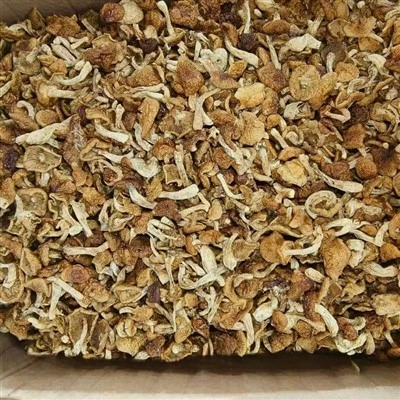
If you’re a home cook looking for a soup mix that’s actually 100% organic, a restaurant owner wanting to switch to cleaner ingredients, or just someone who’s been confused about all the labels out there—hit me up to chat. We can send you a sample, answer any questions, and even work with you to make custom blends if that’s what you need. I’m not a salesperson in a suit, just a guy who loves mushroom soup and wants to share the good stuff.
Dried Edible Fungi References
- U.S. Department of Agriculture. Organic Production and Handling Requirements.
- European Commission. Organic Farming and Organic Production.
- National Organic Standards Board. Criteria for Organic Mushroom Production.
- Food and Drug Administration. Guidance for Industry: Preventing Allergen Cross-Contamination.
Qingyuan Manchu Autonomous County Lichang Native Produce Co., Ltd.
We are one of the most professional mushroom soup mixes manufacturers and suppliers in China, featured by quality products and good price. Please rest assured to wholesale bulk mushroom soup mixes for sale here from our factory. Welcome to view our website for more information.
Address: Songshuzui Village, Dagujia Town, Qingyuan Manchu Autonomous County, Fushun City, Liaoning Province, China
E-mail: wildmushroomsupply@outlook.com
WebSite: https://www.wildmushroomsupply.com/
